Craft and Design: Fashion T-level

DO NOT DELETE OR EDIT THIS ROW OR ITS CONTENTS
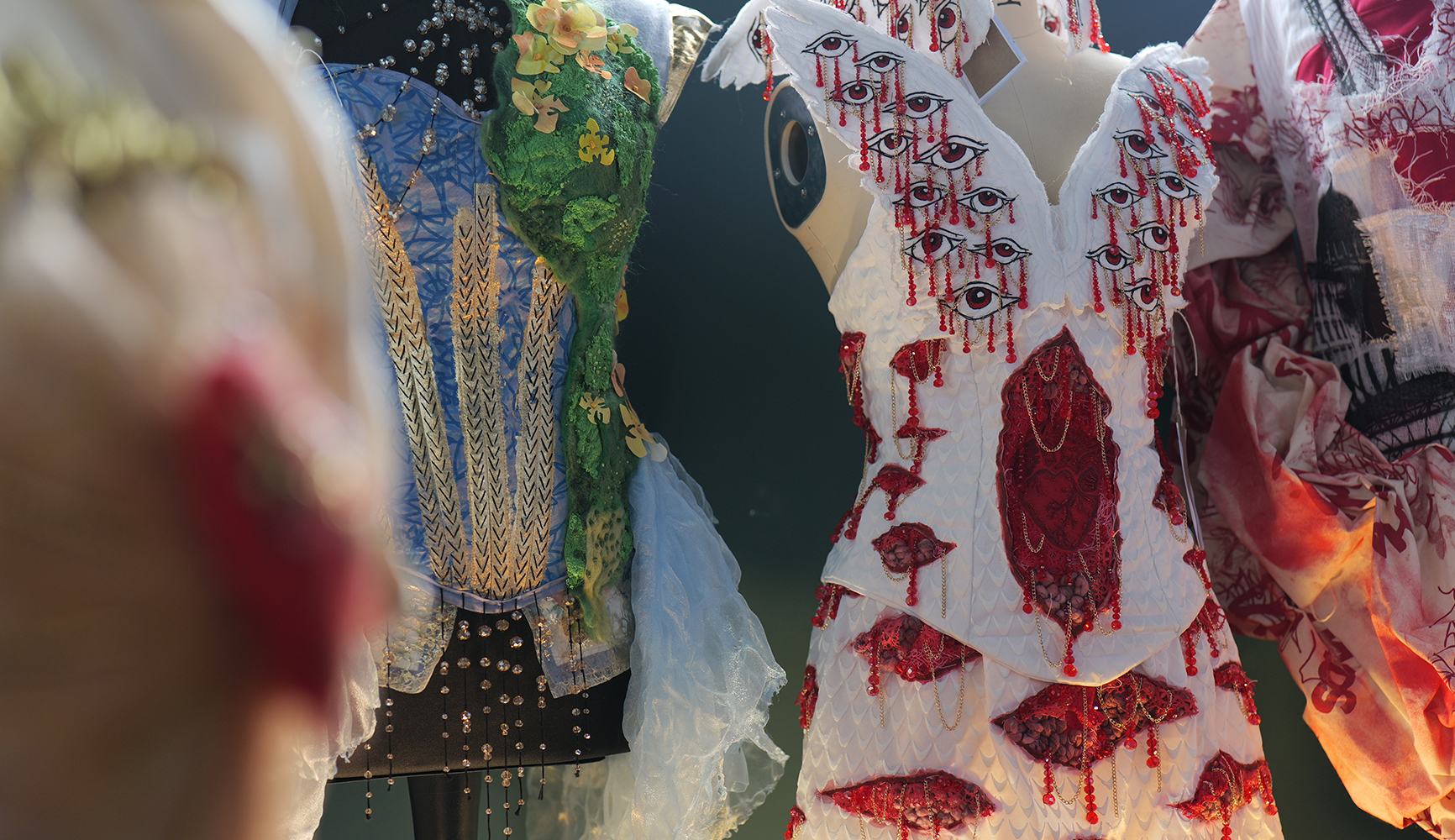
Turn your creativity into a career with our T Level in Fashion. This exciting two-year course combines creative design, practical skills and business knowledge to prepare you for success in the creative industries. You will develop a sound understanding of running a creative business, alongside theoretical knowledge of how individuals work within organisations of all sizes, while completing a valuable industry placement. As the creative industries continue to grow, the T Level provides an excellent stepping stone to an apprenticeship, employment or higher education. You'll build confidence working with a wide range of materials, processes, design and making techniques. Every aspect of the course is delivered through project-based learning, combining hands-on practical work, teamwork, employability skills, research and presentation opportunities.
What will I study in Fashion & Textiles T-level?
Following a combined programme exploring materials, techniques and processes, students will specialise in the Occupational Specialism - Fashion Maker. Throughout the 2-year course, they will explore the practicalities of client/customer working models, marketing, budget and outlets.They will study a range of core knowledge and skills including: the creative economy, the individual in the creative industry, cultural context and vocabulary, audience, legislation & regulations, professionalism and ethics, equality, diversity and inclusion, research skills, project methodology and administration, and continued professional development. The theory work will culminate in a set of exams, but will be taught through a series of mini practical projects that will include case studies, employability skills, making projects, working to briefs, site visits and trips, and working in teams. There is a strong emphasis and requirement for high quality and meaningful industrial placements. The work placements will need to start around week 20 of Year 1 and will continue throughout the 2-year course, or to the completition of the required hours.
Entry Requirements
At least five GCSEs at Grade 4 or above all from the core subjects. If an art-based GCSE has not been taken, entry by completion of a portfolio is possible. Please contact Admissions for a portfolio assignment, to be completed and assessed prior to enrolment.
How will I learn?
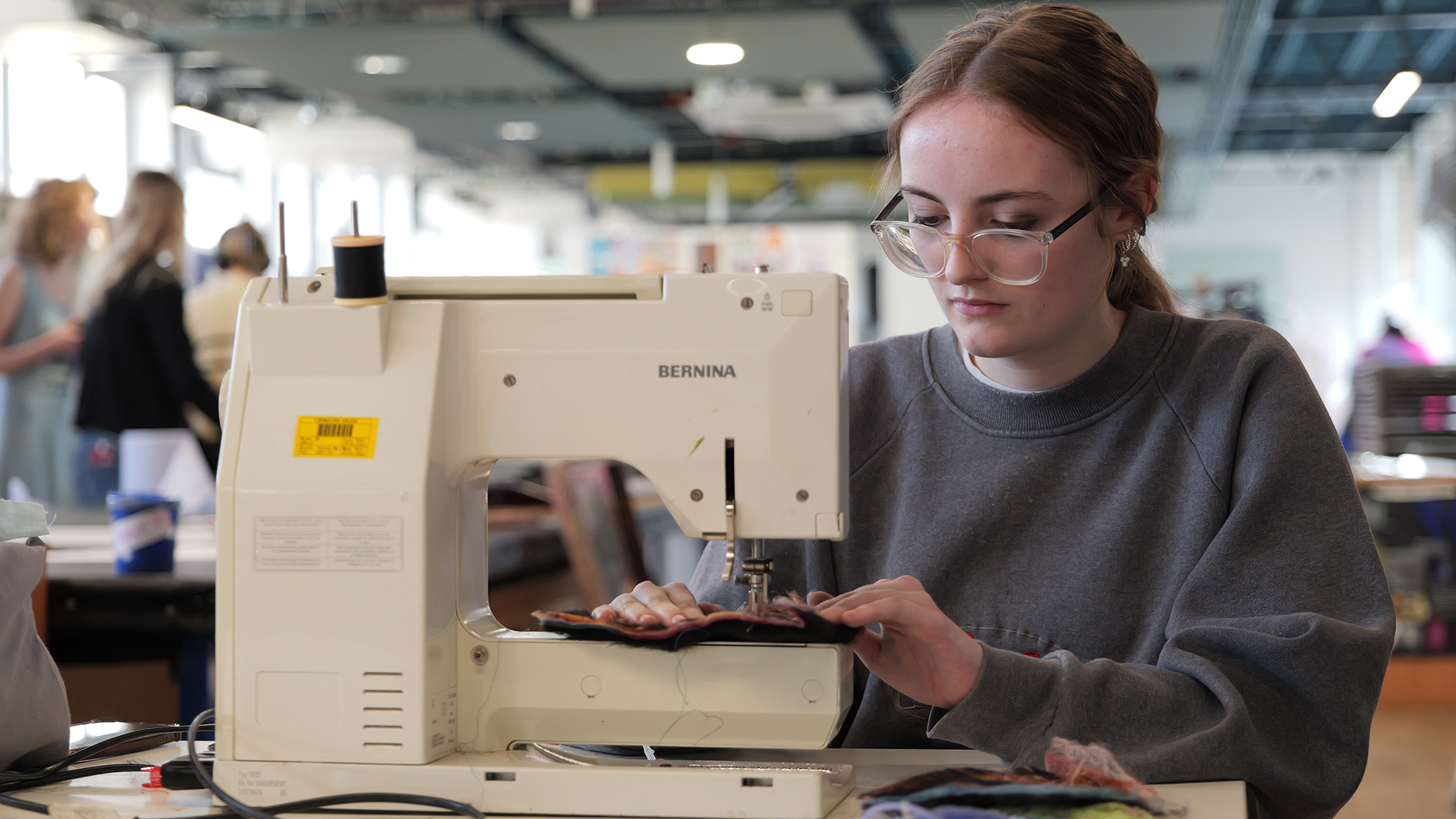
The T-Level in Fashion will involve practical studio-based learning, demonstrations, design work, drawing, research into craft practice, examinations and indiustrial placement experience. The course content and expectations are thorough and will require an independent, problem-solving and creative mindset from students. This course is an excellent stepping stone to employment, apprenticeships, or higher education and is therefore taught using methodology and teaching styles more familiar to university learning. The practical and designing teaching will take place in our well equipped workshops and brand new Art Loft. Highly skilled teachers, lecturers and technicians will support the creative experiences and make sure that a full range of skills and learning is offered. Core knowledge and skills will be taught alongside practical making workshops. This model of learning will be delivered in harmony with more specific skills undertaken on work placements where independent employer-set projects will also be developed.
How will I be assessed?
80% of your T-Level will be spent in college, approximately 20% on industrial placement. Core elements are graded A*-E (similar to A-Levels). Occupational element is graded Pass, Merit, Distinction, Distinction* (similar to BTEC) The core and occupational element are combined into one grade. Grading is based on coursework, 2 exams and other similar assessments.
Asssessment will be through summative and formative methods, the core knowldege and skills will be assessed through 2 formal exams in Year 2. The employer-set project and other independent work will be assessed against the following:
-
Undertaking research///analysis, investigation, review, cultural contexts
-
Generating ideas///expressing ideas, sampling, prototyping, testing, 2D/3D modelling
-
Communicating ideas///presenting ideas clearly, appropriate medium for audience
-
Developing ideas///planning key stages of development, selecting resources and methods
-
Working collaboratively with others///group work, critiquing ideas, responding to feedback, roles and responsibilities
-
Reflective practice///reviewing approaches to the brief identifying areas for future development
Passing this T-Level requires successful completion of work placements.
Any trips?
The expectation is that students on the T-Level in Craft & Design are actively out exploring areas of the creative industries that are relevant, interesting to them and useful. This will include independent visits to art galleries and museums, craft workshops and makers spaces. College organised research trips to trade fairs, manufacturers, retail outlets and other field trips will take place throughout the course.
Are there any costs involved?
There will be an expectation that students pay a 'studio fee' of £60 each year to cover materials and other consumables used throughout the course. There will be occasions where specific materials will need to be purchased on an ad hoc basis and students would be expected to cover the cost of any extra materials. All students will be expected to have a very good range of art materials to work with, and this would include but is not limited to;
- An A3 sketchbook
- Notebook
- Range of drawing pencils
- Fineliners
- Water colours
- Compass
- Folder/Portfolio
- Scalpel
- Masking tape
- Glue
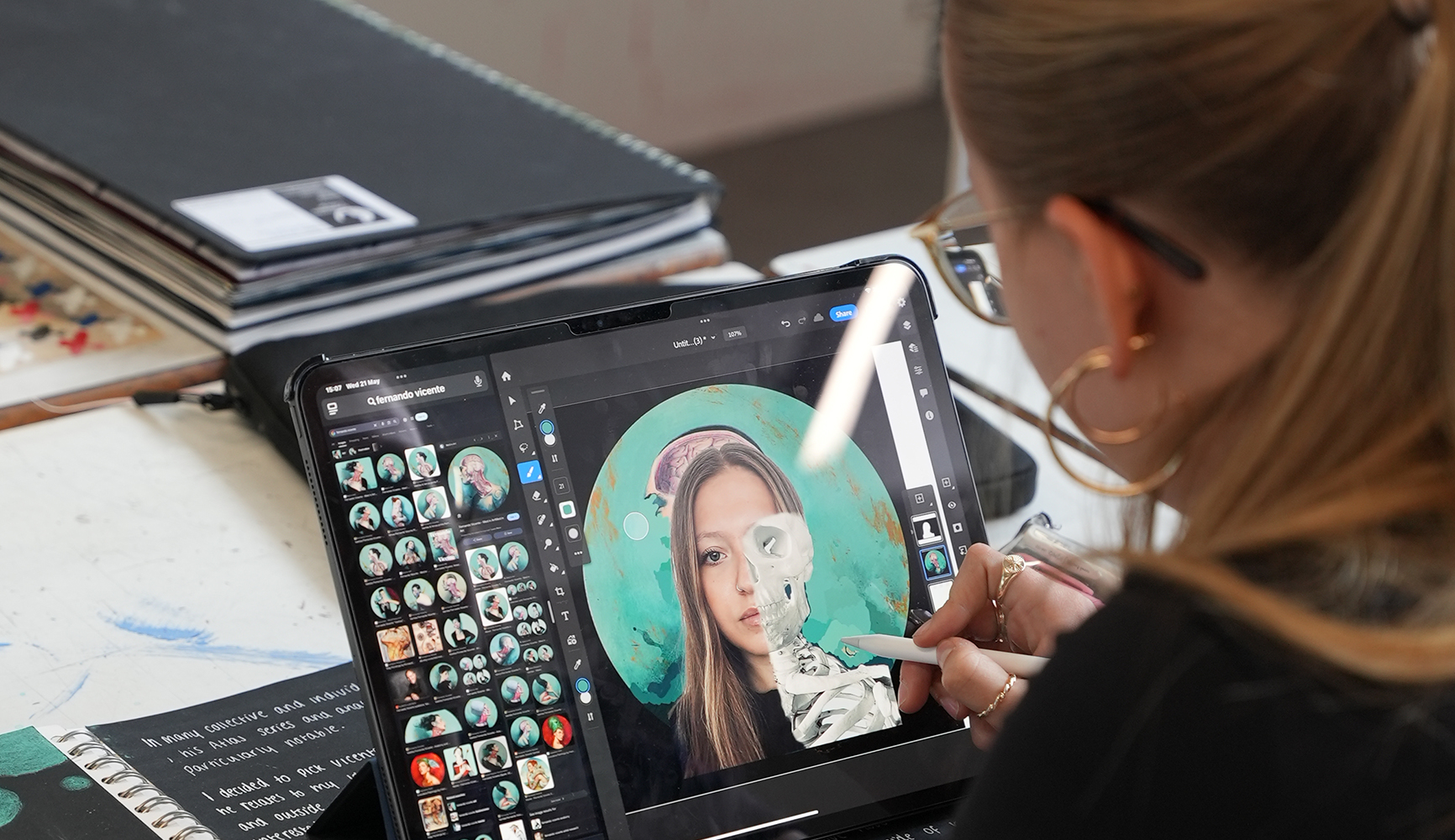
A laptop or tablet would be extremely useful but isn't a requirement, it will allow independent work and will be vital for work outside of college.
Device Requirements
COURSE_DEVICE
If you already own a device that meets the technical requirements of your course, you are welcome to bring it with you to college.
If not, more information on a convenient rental and help-to-buy scheme designed specifically for Cirencester College students is linked below.
FAQs
How many A-levels is this equivalent to?
It is equivalent to three A-levels
Are there exams?
Yes - there is one core exam with a mock exam.
Can I work in the studio outside of lessons?
The studio/workshop will be open for independent work outside of timetabled lessons. Students will need to adhere to safe working policies.
Did you know?
In 2019 Creative Industries contributed £116 billion to the UK economy and grew twice as fast between 2011 and 2019 than the rate of the UK economy as a whole. Between 2019 & 2020 Creative Industries accounted for over 2.2 million jobs. “72% of the creative workforce are highly qualified, i.e. hold a degree/ higher level qualification (Level 4 or higher) or equivalent compared with 45% for the whole economy in 2019” (Source: DCMS 2021)
What is the industrial placement?
The industrial placement is an integral part of your T-Level. You will spend approximately 20% of your time on a work placement, ideally within a sector that is relevant to your chosen occupational specialism. There will be high expectations from college about your professional standards whilst on placement. These will include, organisation and time keeping, a willingness to listen to instructions and learn, and a positive and hard working attuitude. Employers will look for someone who is focussed, confident and good at communicating. Where possible, prior to starting the course, students should start to develop skills and experiences that would be positive additions to a CV.
Awarding Body
Pearson
Available As
T Level
[168 UCAS pts. available]
[168 UCAS pts. available]

Add to Application
What can I do after I have taken this course?
Available As
T Level
[168 UCAS pts. available]
[168 UCAS pts. available]
Add to Application
DO NOT DELETE OR EDIT THIS ROW OR ITS CONTENTS