DO NOT DELETE OR EDIT THIS ROW OR ITS CONTENTS

In this rapidly changing world, politics has become more important than ever. Politics is all around us and if you are interested in current affairs, ideas, and how the country and the wider world is run, then this is the course for you. A-level Politics offers you the opportunity to become empowered by gaining an in-depth understanding of national and international political issues and structures, whilst also exploring the big questions that political ideas such as liberalism, conservatism, socialism and feminism seek to answer. Politics at Cirencester College offers the opportunity for you to choose a pathway. All students study British politics and political ideologies in year one, in year two you can select to specialise in either American Politics or Global Politics.
If you decide to study Global Politics, this part of the course broadens the focus to include international relations. Here you will look at the big issues that are currently threatening the world, such as terrorism, globalisation and climate change. You will also find out about how the international community attempts to deal with such issues through global and regional organisations such as the UN, NATO and the EU, and evaluate how effective this is. The changing dynamics of geopolitics with President Trump to the perceived threat of China and her human rights record, as well as exploring environmental concerns and globalisation. Global Politics is especially great if you’re looking to study Economics and Geography as part of your options, as there is significant cross over with the content.
What will I study in Politics A-level (Global)?
In the first year you will discover the key issues in British politics and government. This means exploring topics such as how the branches of government fit together, analysing whether the UK should change its electoral system and investigating what motivates people to vote in the way that they do. We look at issues like the participation crisis, ask if there is a democratic deficit and evaluate how effectively government deals with challenges at home and abroad. It is recommended that you familiarise yourself with the specification from Edexcel to see what we'll cover in Year 1 for British Politics.
Across both years of the course, you will learn more about political ideas. This includes studying the compulsory ideologies of liberalism, conservatism and socialism, as well as discovering more about other political ideas such as feminism.
If you decide to study Global Politics, you will be studying the following topics:
1. The state and globalisation
2. Global governance: political and economic
3. Global governance: human rights and environmental
4. Power and developments
5. Regionalism and the European Union
6. Comparative theories
You will be exploring the theories and theorists in depth, as well as looking at a range of international case studies to further support and justify your arguments.
Entry Requirements
At least five GCSEs at Grade 4 or above all from the core subjects including a Grade 5 in English Language. History GCSE is also recommended although not necessary to study Politics A Level.
How will I learn?
Politics is an exhilarating subject which provokes lots of debate. With that in mind, we spend a lot of time discussing the big issues of the day. Not only will you learn to refine your skills of debate but you will also get to experience a range of differing teaching methods including lectures, group work and personal study. This course poses many questions about the world in which we live and we really aim to get students to develop not only their knowledge of the subject but also their perspective on the big political controversies.
Along with participating in lessons, you will need to complete tasks at home, including keeping up with the news and current affairs, and then thinking how you can apply these stories as examples to illustrate key ideas and concepts in the course.
Some of our students gain work experience through a placement or internship with one of our local MPs. There will also be the opportunity for you to speak to local politicians, in Q&A sessions that we host at College, or virtually, through programmes run by Parliament.
How will I be assessed?
Assessment is through three exams at the end of the two year course; there is no coursework. The first two exams comprise of source-based essay questions and a choice of knowledge-based essay questions, while the final exam assesses students through short answer questions and longer essay questions. All exams are out of 84 and each exam is 2 hours long; this means approximately, that each essay is 45 minutes and the 24 mark/12 markers in Papers 1, 2 and 3 are 30 minutes long.
Any trips?
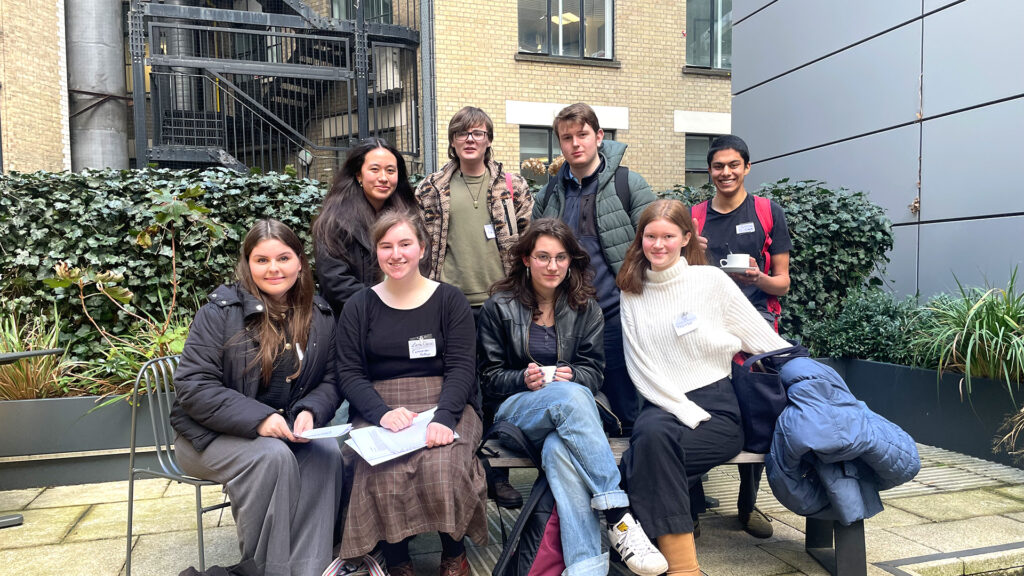
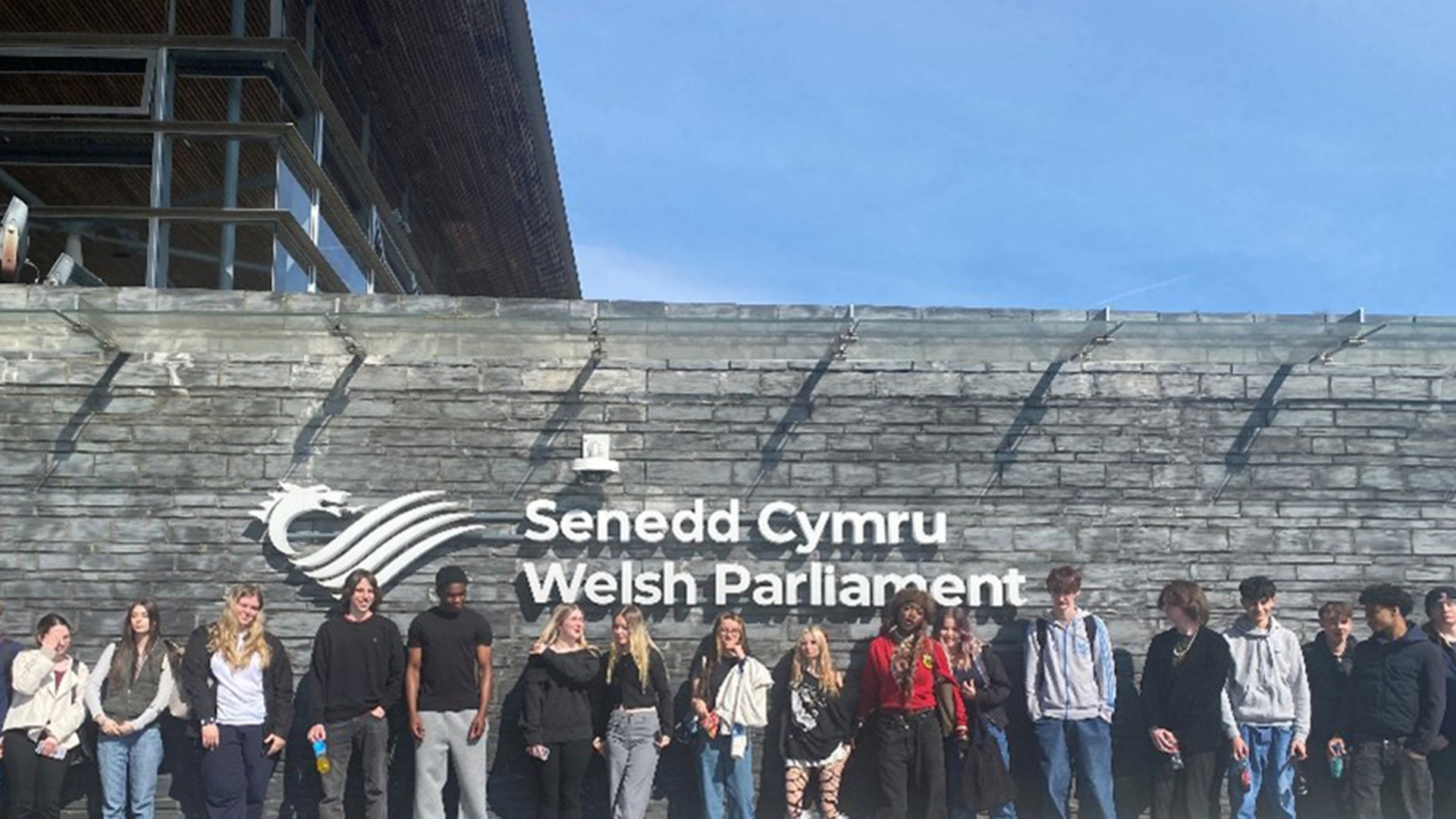
We aim to ensure all Politics students have an opportunity to participate in study trips, which could include a conference in London, a trip to the Houses of Parliament and the Supreme Court or a visit to the Welsh Parliament. Students have also visited EU institutions in Brussels.
Are there any costs involved?
- You should expect some small costs for course booklets and stationary
- We usually run trips to London and sometimes to the European Parliament - we aim to keep costs for these trips as low as possible.
Device Requirements
COURSE_DEVICE
If you already own a device that meets the technical requirements of your course, you are welcome to bring it with you to college.
If not, more information on a convenient rental and help-to-buy scheme designed specifically for Cirencester College students is linked below.
FAQs
Do I need to read the news?
In short - yes! This is a key element of the course, as there is a focus on current affairs and you will be expected to keep up with political developments. You will be expected to get into the habit of watching/listening to/reading up on the news and take your turn presenting a “Story of the Week” or participating in regular news quizzes.
I love arguing about politics - is this the course for me?
Absolutely! Debating in the classroom is a key skill which we develop as it really helps you to see both sides of the argument, which is necessary for creating balanced essays. However, although there are plenty of opportunities to debate, you will not necessarily be arguing your own viewpoint – this is political science with no room for ranting! Tolerance and respect of others' views is also very important in the politics classroom.
Is is just about British politics?
No. Although the first year is mainly focused on British politics, we keep a close eye on the global political stage. The second year is dedicated mostly to the study of either American or global politics. If studying global politics you will focus on international issues and will develop an awareness of global political geography and the important themes surrounding human rights, poverty, the environment and war. If you are studying American politics you will develop an understanding of the US political system, rights and democracy.
Are there any politics enrichments?
Yes. We invite in a variety of guest speakers in order to enrich students' learning. Recent notable speakers include Dr Roz Savage, the MP for South Cotswolds. At election time, the College hosts a hustings for local candidates to speak and answer questions. Many of our students are also active in the successful Debating Society, where they learn key skills to help them in the classroom and with essay writing.
When do I decide which pathway, American or global?
Students enrol onto a pathway before they start with us in September (either US or Global), however if students wish to switch pathways, we are happy to have discussions with students on a case by case basis, with decisions being made before the end of the Summer term.
Is there a lot of reading and writing?
Yes, Politics is an academic A Level, which requires you to write essays, which roughly are 4 pages long as a minimum (handwritten). We also expect you to do a lot of reading using the booklets and extended reading to deepen your understanding of Politics, political theory and how current affairs aligns with what we teach in class.
Awarding Body
EDEXCEL
Available As
A Level
[56 UCAS pts. available]
[56 UCAS pts. available]

Add to Application
What can I do after I have taken this course?
Available As
A Level
[56 UCAS pts. available]
[56 UCAS pts. available]
Add to Application
DO NOT DELETE OR EDIT THIS ROW OR ITS CONTENTS
What the students say

”Politics is a very interesting course, and it helps me understand the world so much more. We learn so much about our own government and how/why it works but also other political systems. We also have lots of in class debates- there is never a dull moment!
Alice Baker