
A-level History at Cirencester College

The choice of A Level History pathways at Cirencester College gives you the power to shape your own journey through the past. From medieval kingdoms to modern revolutions, each route offers rich content, expert teaching, and the opportunity to develop critical skills that open doors to ambitious futures. Cirencester College gives you the chance to study periods completely different from those you covered at GCSE. You’ll deepen your understanding of how societies change, challenge established interpretations and explore fresh historical perspectives.

A Level History is a rigorous, discussion-led course designed for curious students who want to explore the defining moments of British and international history. You will investigate political upheavals and ideological conflicts: forces that have shaped modern society, and build analytical thinking, argumentation, and research skills along the way.

Studying A Level History is excellent preparation for university, supporting entry into a wide range of degree courses. It also provides a strong foundation for careers in fields such as law, journalism, media, politics, and the wider humanities.

A Level History at Cirencester is an exciting, varied, and challenging course that broadens your understanding of the world we live in, with links to a broad range of subjects from the sciences to sociology to law and across humanities.
Conquest, Control and Resistance

Middle Ages

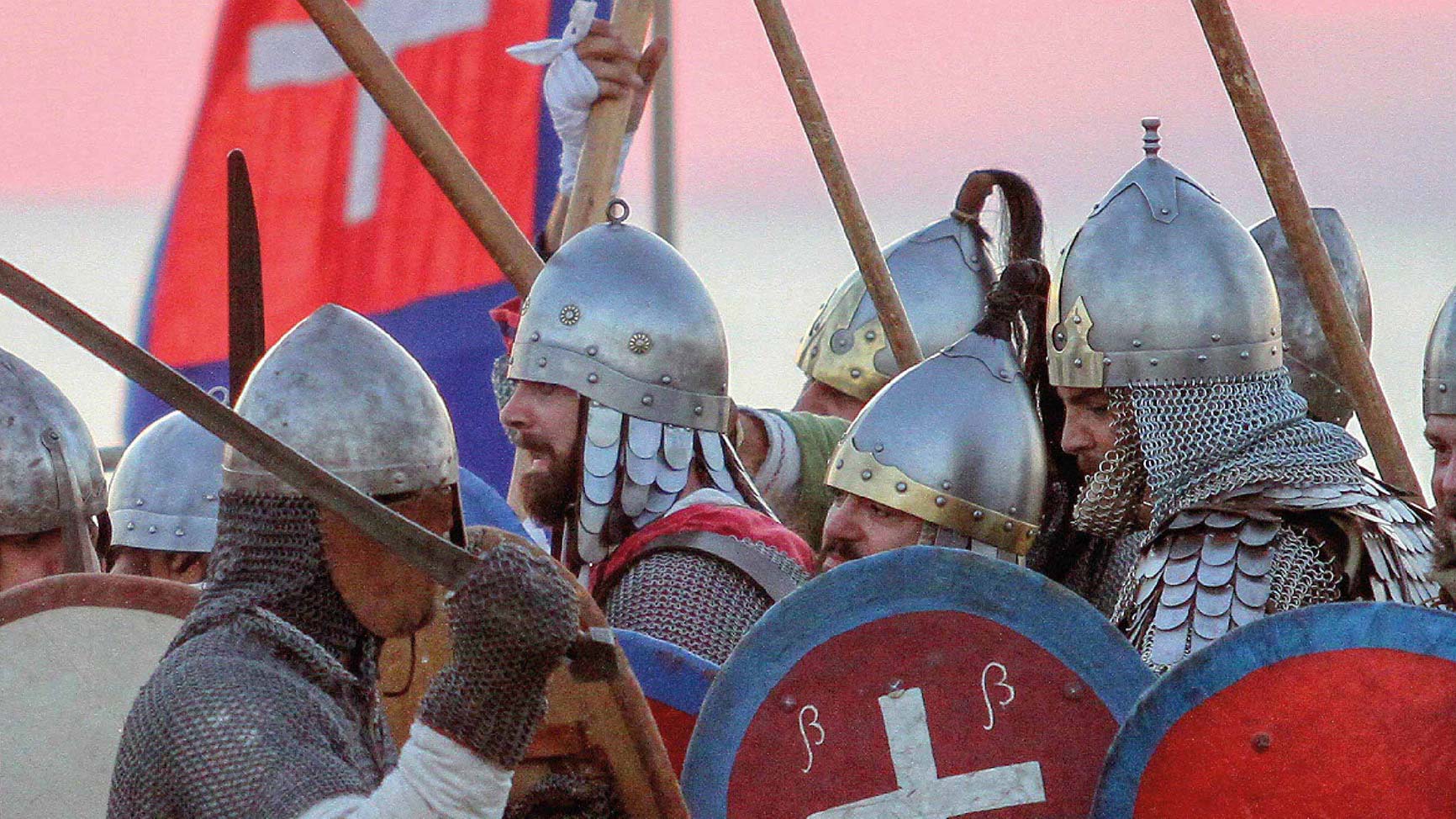
This medieval pathway immerses you in history as we explore in depth the turbulent collapse of Anglo-Saxon England following the Norman Conquest, followed by a thematic study of the dynamic upheavals of the first four Crusades. Finally, we examine the dramatic and influential reign of the Tudor dynasty, from their tentative hold on the throne to the reign of Elizabeth Gloriana. This course will strengthen your critical thinking and analytical skills, equipping you for higher education and a wide range of future careers.

Learn more about Conquest, Control and Resistance

Democracies in Change

Democracies-in-Change

Step into the story of modern democracy with the Democracies in Change pathway. You’ll explore how Britain was transformed by war, social change, and political reform in Britain, 1918–97, alongside a deep dive into the USA, 1920-1955 – from the glamour of the Roaring Twenties to the hardship of the Great Depression and the cultural revolution of post-war America. In your second year, you’ll travel further back to uncover the powerful struggles of ordinary people in Britain, between 1780-1928, as they fight for the right to vote, better working conditions, and greater democratic freedoms. This is a course about change, conflict, and the fight for democracy – bringing the past to life while helping you understand the world today.

Learn more about Democracies in Change

Dictatorship and Democracy

Dictatorship-and-Democracy

If you enjoy modern history, this could be the course for you. You’ll explore how democracy in Europe was challenged and ultimately overturned, focusing on the turbulent histories of Italy and Germany, where political instability led to the rise of fascist dictatorships. In your second year, you’ll turn to Britain (1780-1928), uncovering how ordinary people in the 19th and early 20th centuries campaigned for the right to vote, better working conditions, and greater political freedom. This course brings to life the struggle between democracy and dictatorship, showing how ordinary people have shaped the societies we live in today.

Learn more about Dictatorship and Democracy

Revolution and Reform

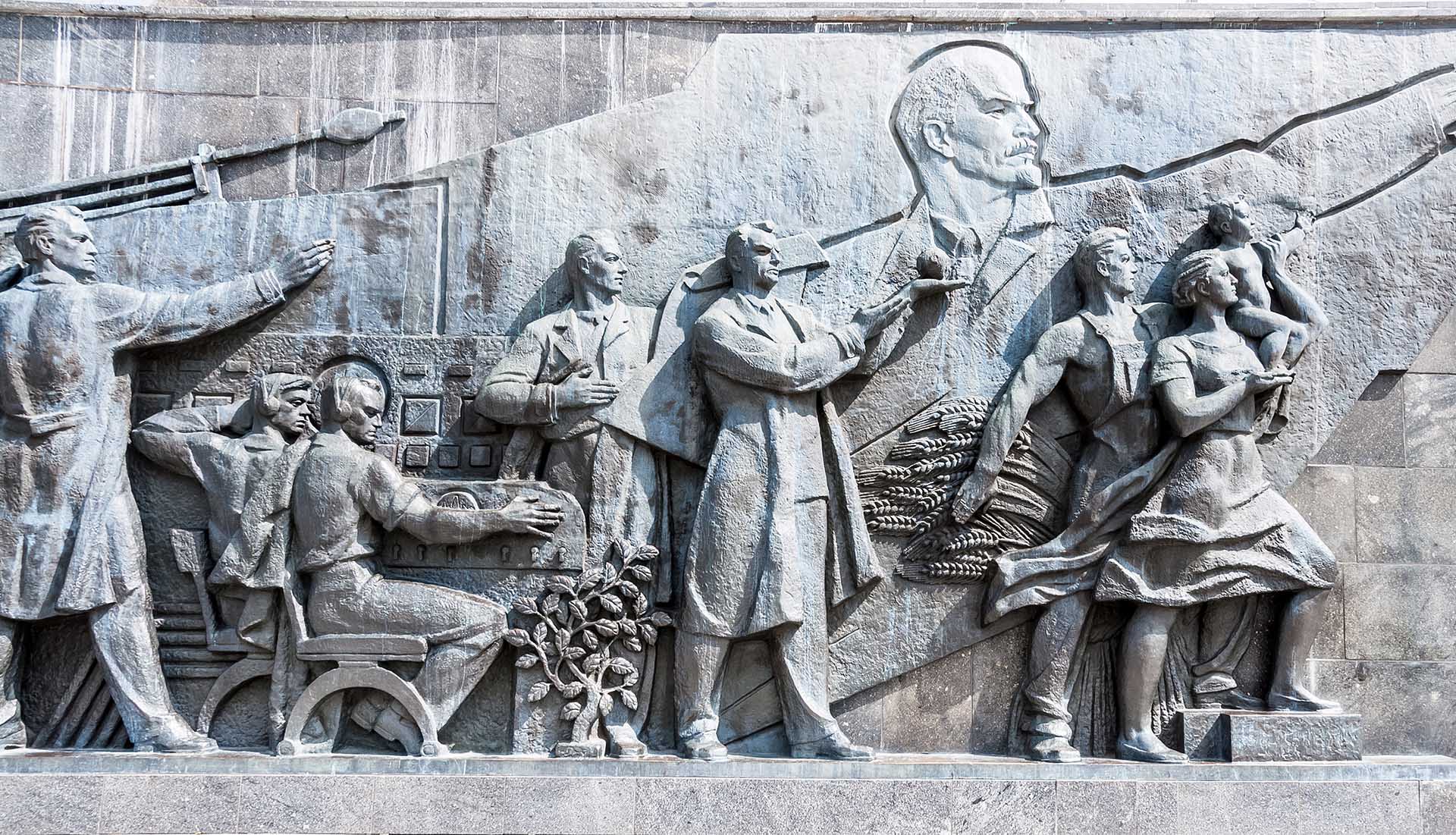
Explore some of history’s most turbulent moments, from the rise of the first Communist regime in the Russian Revolution to the dramatic political upheavals of 17th-century Britain. The course concludes with the tragedies of the witch craze, examining shifting beliefs about magic, science and its eventual decline. A compelling introduction to how societies are transformed by revolution and change.

Learn more about Revolution and Reform

What can I do after I have taken a History A-level course?