
DO NOT DELETE OR EDIT THIS ROW OR ITS CONTENTS

Are you fascinated by how the human body works? Do you want to learn more about this incredible machine? If so our exciting Medical Science course is perfect for you! Have you ever wondered exactly how the body is able to control and maintain different internal conditions? Why do some people’s immune systems attack their own cells? How do bacteria, viruses and other pathogens specifically cause disease? These are just some of the questions you will explore the answers to. The course is delivered by experienced and approachable lecturers who are there to support you throughout your learning. Medical Science is an enthralling subject and we look forward to sharing our enthusiasm for it with you. Students progress onto University with majority of students studying Biomedicine, Physiotherapy or Adult Nursing.
What will I study in Medical Science Level 3 AAQ Extended Certificate?
Y1
Unit 1 Principles of Human Physiology, Anatomy and Pathology
In this unit you will explore Anatomy and Physiology of Humans. Topics include, Biological molecules, cells and tissues, the Nervous and endocrine systems, the musculoskeletal system, the cardiovascular and respiratory systems, the renal and digestive systems. Unit 1 is an examined unit which is externally assessed.
Unit 3 practical microbiology and infectious diseases.
You will develop new practical microbiology skills in the lab.Practical tasks explore the application of techniques to culture and identify microorganisms and investigate the effects of antimicrobial agents on the growth of microorganisms. You will learn about the classification and nature of microorganisms. Examine the transmission and treatments of infectious diseases.This is assignment based, assessed internally and is linked to a range of modern microbiology skills.
Y2
Unit 2 Health Issues and Scientific reporting
You will learn about immune response and dysfunction, genetic conditions, cancer and dignostic techniques. You will learn how conditions are diagnosed and treated. You will develop skills to critically analyse information; learning how to interpret data and assess the reliability and validity of sources. This is an externally assessed 2 hour exam..
Unit 5 Biomedical techniques
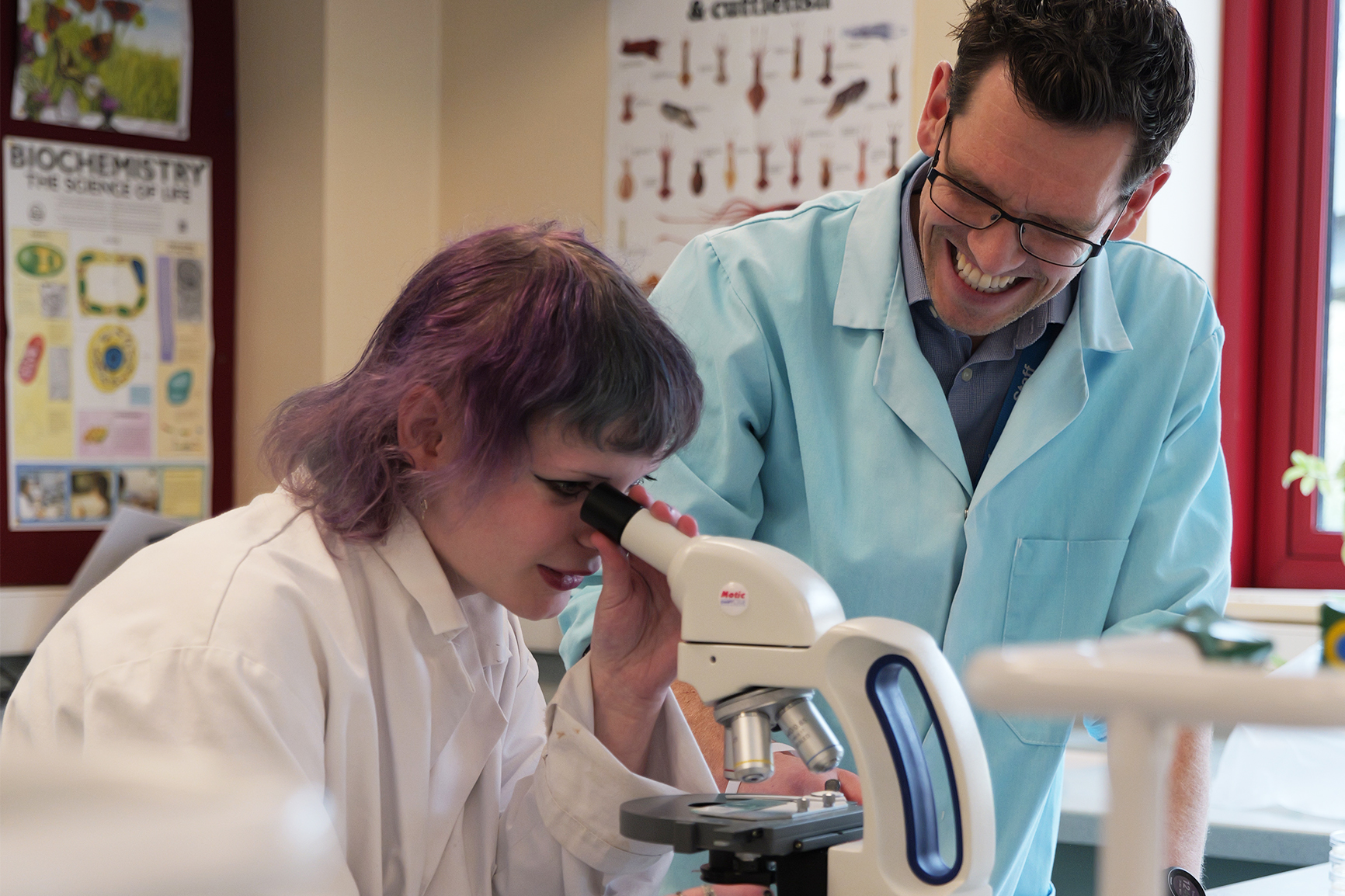
You will explore the role of a Biomedical Scientist and learn how to use specific diagnostic techniques. As part of this you will develop many lab skills for example microscopy and biochemistry. You will learn about the comosition of blood and blood tests used for diagnosis, how to screen for particular diseases, composistion of urine and will use Urinalysis techniques in the lab to help diagnose patients.
Entry Requirements
5+ GCSEs at Grade 4 or above from the core subjects, including English Language, Maths and Science. (Either 4-4 in Combined or a 4 in Biology)
How will I learn?
Learning will be done in the classroom and in the Lab. You will get to develop many lab skills along the way: microscopy, dissection and biochemical tests. As part of Biomedical techniques they will also explore urinalysis and blood testing. All experiments will be written up and built into your understanding of the theory. Learning will be a mixture of lectures, where you will be encouraged to learn independent study skills, discussions with your peers, and frequent tests to check your progress.
The Practical Microbiology unit will allow you to develop your microbiological technique. You will also get to progress your digital skills for example using Excel to produce graphs. Furthermore, there are also maths skills developed in the course, doing microscopy calculations to statistical tests.
As part of Unit 2 you will learn learn about diagnostic techniques such as ECG, peak flow, EMG amongst others. you will develop more detailed analytical techniques learning how to calculate standard deviation and the uncertainty of equipment. Futhermore, they will develop an understanding of how to assess validity and reliability of information sources.
You'll get booklets with lots of work to do between lessons, and it will be important that you complete all the work set and learn everything thoroughly for tests. You will also develop your research skills throughout and computer litteracy.
How will I be assessed?
Formative assessment: These will not count towards final grades, but will be used to help inform your lecturers for grade points throughout. Throughout the course there will be white borard quizes in lesson and end of topic tests. End of topic tests check your levels of understanding and allow you to identify any gaps in your knowledge so you can work on these in preparation for the final summative assessments. You will complete topic booklets thoughout, these will be effort graded.
Summative assessment: The following assessments will count towards your final grade for the course so it is important that you pass these elements. If you should you fail any of these then we would need to consider options moving forward.
Y1
Unit 1 Principles of Applied Human Biology: 1.5 Hour Written Examination set and Marked by Pearson 80 marks June series Y1. A mix of short and long answer questions to include some multiple choice and some extended-writing responses.
Unit 3: Practical Microbiology and Infectious diseases: Internally assessed assignment set throughout the year. This will include research and practical investigations that you write up.
Y2
Unit 2: Health issues and Scientific reporting: 2 hour Written Examination Marked by Pearson 80 marks January series Y2. A mix of short and long answer questions with some extended responses worth 8 marks.
Unit 5: Biomedical techniques: Internally assessed assignment set throughout the year. This will include research and practical invesitgations that you write up.
Any trips?
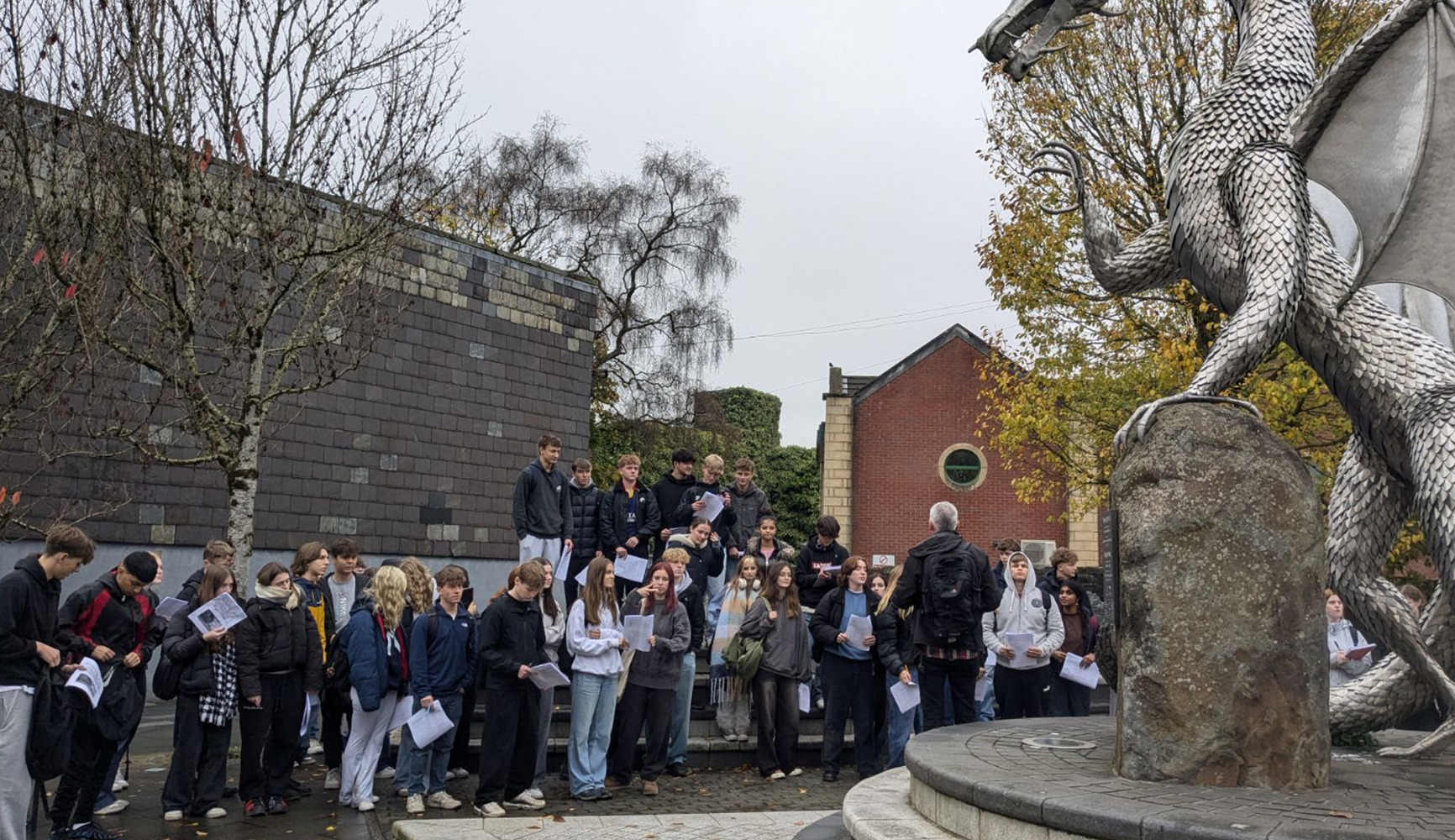
We have taken students to Warwick University to watch a series of lectures from specialists. Topics vary each time and have included talks about using DNA evidence to find Richard III, finding a cure for dementia and Nessa Carey discussing Epigenetics. Students also attended a trip to Cardiff University, where they got to listen to lectures from Scientists discussing things like the use artificial intelligence to develop new drugs. Students get the opportunity to visit a working research lab., this year they went into a histology Lab to find out about how to make a fluorescent probe to find cancer on slides. We are exploring more potential trips to run in the future. Costs of trips vary depending on entry and travel costs, Warwick trip usually around £40, Cardiff trip ~£20.
Are there any costs involved?
You should expect some small costs of around £20 over both years for course booklets and stationery to include: pen, pencil, ruler, A4 exercise books for notes, and Calculator.
Device Requirements
Device requirements for this course are currently under review. Updated information will be published during the summer. Please note that all courses may have some form of device requirement, so we recommend checking back regularly for the latest details.
FAQs
What career opportunities are there?
A few of the possible career opportunities include:
- Biomedical Science
- Occupational Health
- Physiotherapy
- Midwifery
- Sport Science
- Nursing
- Paramedic Science
- Psychology
- Criminology
What could I study at University after?
There are many options for study in Higher Education to extend your interest in Human Biology, including:
BSc (Hons) in Biomedicine
BSc (Hons) Physiotherapy
BSc (Hons) in Nursing
BSc (Hons) in Occupational Health
BSc (Hons) in Sport Science
BSc (Hons) in Midwifery
BSc (Hons) Criminology
Please do check entry requirements for such courses, as they differ between different universities.
Is there much practical work?
This course will involve a lot of practical work in the lab particularly during Biomedical techniques. These include Microbiology skills, microscopy and dissection, testing for organic and inorganic substances, chromatography, titration, and many other techniques.
Will I have to do any dissection?
There will be the opportunity to do some dissection of organs such as the heart. We encourage this as a useful learning exercise, but this is not a compulsory part of the qualification, and if you have a particular reason why you would rather not participate, you will be provided with an alternative learning exercise.
Will I get to correct my assignments following feedback?
Yes, students are allowed a resubmission opportunity for their assignments. These have to be submitted by a deadline, or they cannot be marked as a 'pass' grade.
Will I get UCAS points for university entry if I take this course?
The Extended Certificate is equivalent to A level grades and received the following points for UCAS:
Distinction* 56 points
Distinction 48 Points
Merit 32 Points
Pass 16 Points
The Certificate is equivalent to an AS level and is worth half of the number of points given to the Extended Certificate.
Awarding Body
Pearson
Available As
Extended Certificate
[56 UCAS pts. available]

Add to Application
What can I do after I have taken this course?
Available As
Certificate
[28 UCAS pts. available]
[28 UCAS pts. available]
Extended Certificate
[56 UCAS pts. available]
[56 UCAS pts. available]
Add to Application
DO NOT DELETE OR EDIT THIS ROW OR ITS CONTENTS